On this page
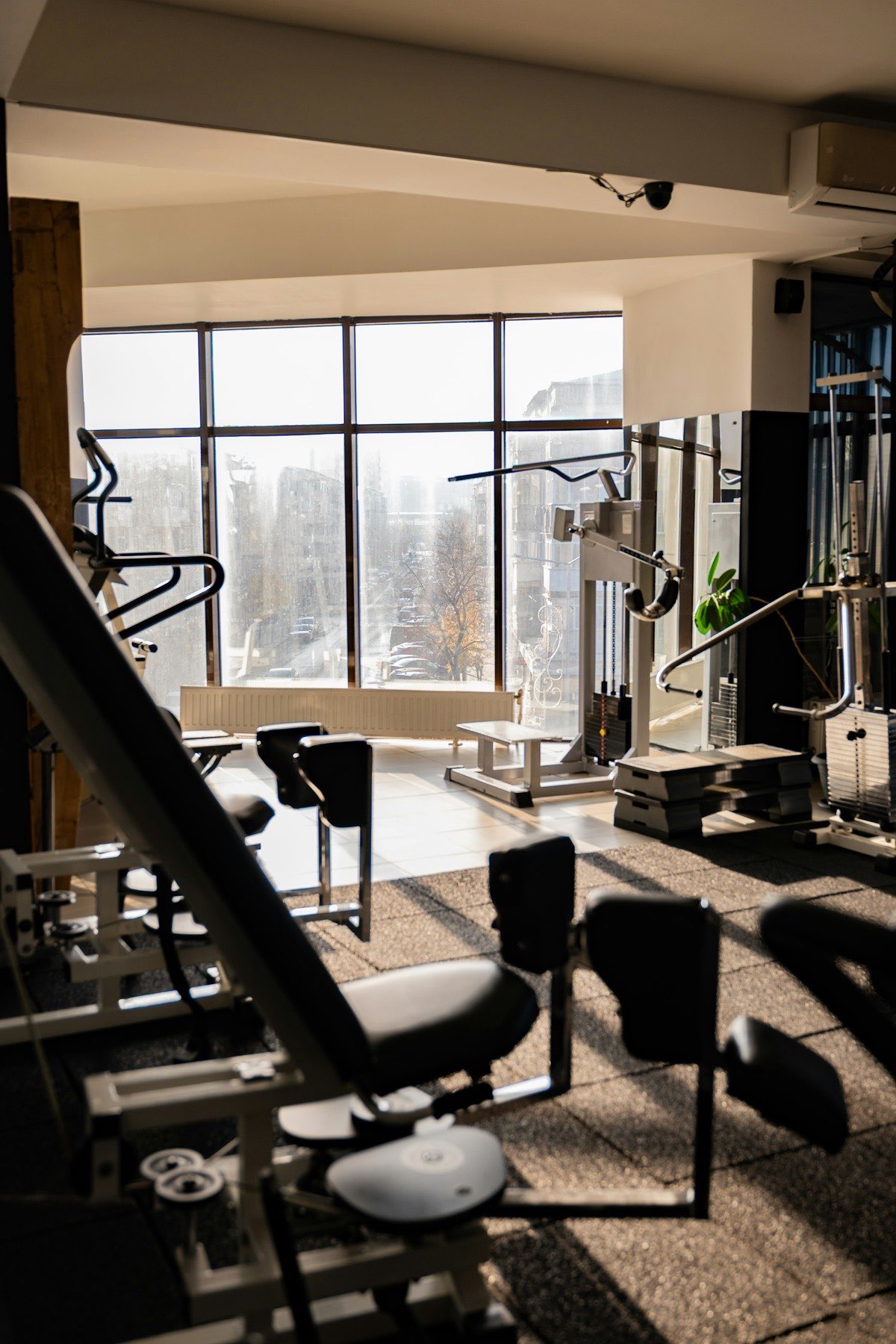
"Glute abductor machine" is one of the most searched phrases about this machine, and the honest answer is more useful than a yes or no. The machine trains part of your glutes very well, and it cannot do the whole job on its own.
Which part of the glutes it trains
Your glutes are three muscles. The gluteus maximus is the large muscle that makes up most of the shape of the buttocks; its main job is hip extension (standing up from a squat, driving a hip thrust). The gluteus medius and gluteus minimus sit higher and to the side, and their main job is abduction. The abductor machine loads the medius and minimus directly, and the upper fibers of the maximus assist. It does little for the lower and middle maximus.
| Glute region | Abductor machine | Better primary exercise |
|---|---|---|
| Side of the hip (medius, minimus) | Strong stimulus | The machine itself, side-lying abduction |
| Upper gluteus maximus | Moderate, assists | Hip thrust, machine with forward lean as an extra |
| Lower and middle gluteus maximus | Little | Hip thrust, squat, lunge, Romanian deadlift |
Can it change the shape of your hips?
Building the gluteus medius adds muscle high on the side of the pelvis, and many people notice a fuller upper-outer hip after months of consistent training. How much difference that makes to the overall shape depends on your bone structure, where you store body fat and how much muscle you add. Wide "hip dips" are mostly set by the shape of the pelvis and the position of the femur, so training can soften them for some people but not erase them. Be wary of any program that promises a specific shape.
It will not burn fat from your hips
Training a muscle does not preferentially remove the fat over it. In a 12-week study where participants trained only one leg, fat loss occurred across the body, not specifically in the trained leg, and a 2022 meta-analysis concluded that localized training did not cause spot reduction. The machine builds muscle; fat loss comes from your overall energy balance.
What the research says about glute activation
The most-cited gluteal EMG study, DiStefano and colleagues (2009), compared 12 common rehabilitation exercises. Side-lying hip abduction produced the highest gluteus medius activity of the group, while single-leg squats and single-leg deadlifts led for gluteus maximus. The seated machine was not in that study, and we found no peer-reviewed EMG study that tests the abductor machine against these exercises, or tests trunk lean on the machine. So the best-supported position is: the machine is an efficient, easily loaded way to train the abductors, and it belongs in a program with hip extension work, not instead of it.
Does the forward lean help?
Leaning forward from the hips changes the hip angle, and because hip muscles change their roles as the hip flexes, it is reasonable to expect a different mix of muscle activity. Many lifters feel more upper glute work with the lean. Use it as a second abduction exercise, not as your only one, and judge it by whether your strength and the feel in the target area improve.
How to program it for glute growth
- Lead with a hip extension lift: hip thrusts, squats, lunges or Romanian deadlifts.
- Follow with 3 to 4 hard sets of 10 to 20 reps on the abductor machine, finishing close to failure.
- Add a second abduction angle during the week: forward lean, standing cable abduction or side-lying abduction.
- Progress the load with double progression and keep each set clean.
- Give it 8 to 12 weeks before judging results. Muscle growth is slow.
Program 2 in our workouts guide puts all of this together.
Frequently asked questions
Is the abductor machine good for hip dips?
It can add muscle to the upper-outer hip, which softens hip dips for some people. Hip dips are largely set by pelvic and femur structure, so results vary.
What is a glute abductor machine?
It is usually another name for the seated hip abductor machine, sometimes for versions with a chest pad that holds you in a forward-leaning position.
How long does it take to see results?
Strength improves within a few weeks. Visible muscle growth usually takes two to three months of consistent, progressive training.
Sources
- DiStefano LJ et al. Gluteal muscle activation during common therapeutic exercises. J Orthop Sports Phys Ther. 2009;39(7):532-540. pubmed.ncbi.nlm.nih.gov
- Delp SL et al. Variation of rotation moment arms with hip flexion. J Biomech. 1999;32(5):493-501. pubmed.ncbi.nlm.nih.gov
- Ramírez-Campillo R et al. Regional fat changes induced by localized muscle endurance resistance training. J Strength Cond Res. 2013;27(8):2219-2224. repositorio.unab.cl
- Ramírez-Campillo R et al. A proposed model to test the hypothesis of exercise-induced localized fat reduction (spot reduction): systematic review and meta-analysis. Human Movement. 2022. hummov.awf.wroc.pl
- Vispute SS et al. The effect of abdominal exercise on abdominal fat. J Strength Cond Res. 2011;25(9):2559-2564. nutrition-evidence.com